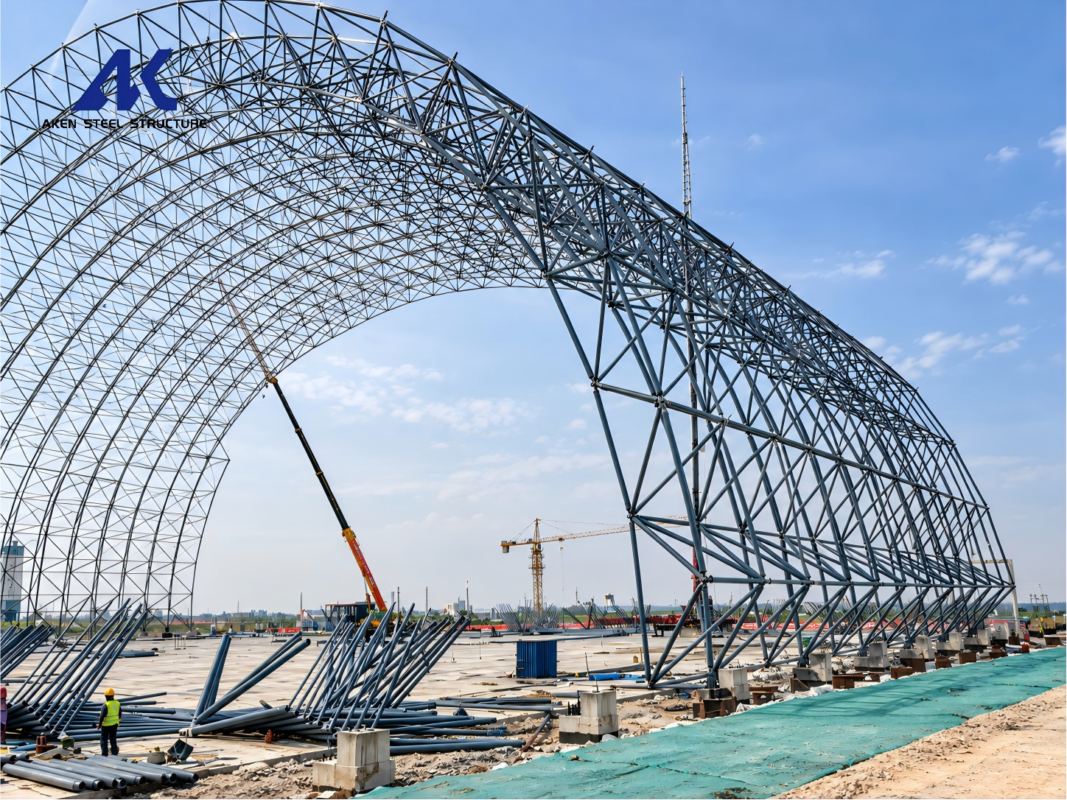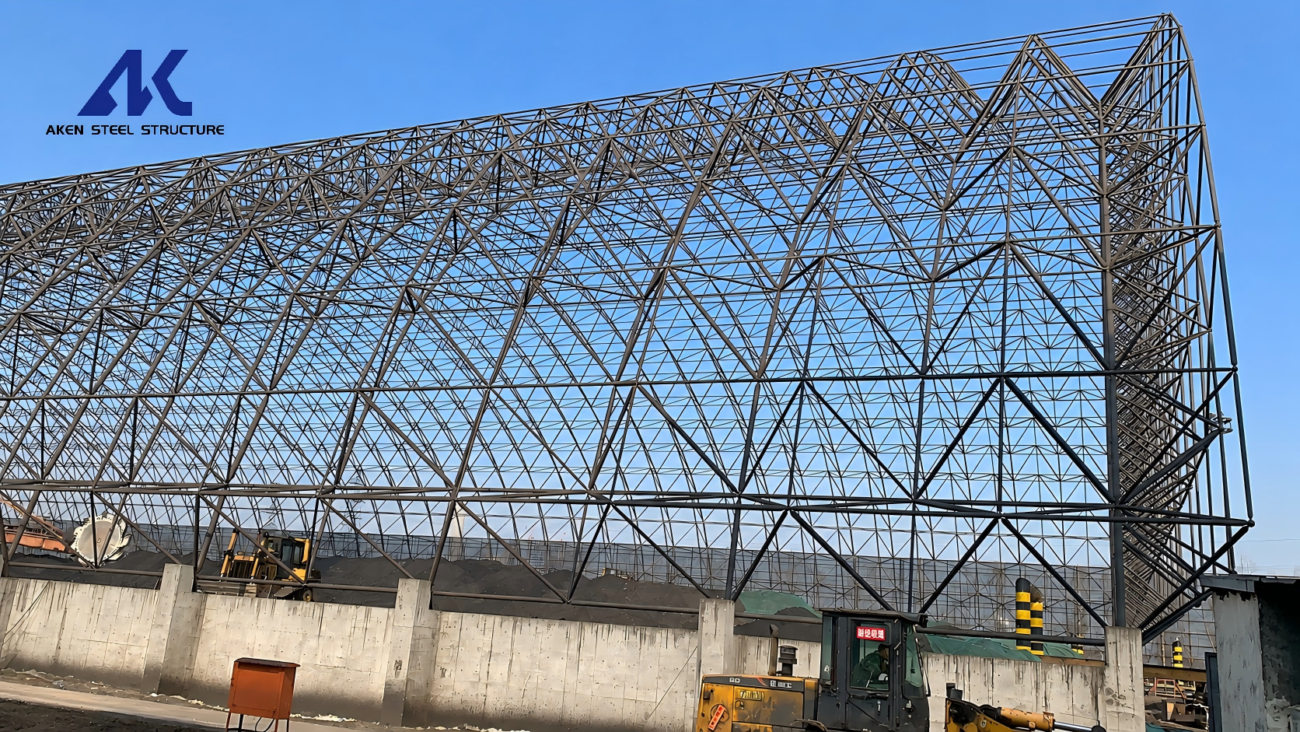


پروژه های مدرن سقف دهانه بزرگ برای سوله های زغال سنگ, استادیوم ها, natatoriums و انبارها به کیفیت قابل پیش بینی نیاز دارند, tight schedules and lower site risk. More builders and main contractors now choose bolt ball space frames manufactured on automated digital production lines instead of conventional welded steel trusses and site-fabricated steelwork. This article breaks down the practical advantages of automated component making and bolted assembly, compared with traditional structural steel workflows.
What Makes Automated Space Frame Manufacturing Different
Traditional steel fabrication relies heavily on manual marking, manual cutting, manual welding and hand finishing. Workers measure, fit and weld each member on-site or in semi-manual workshops. Human error, inconsistent heat input and slow inspection cycles are hard to avoid.
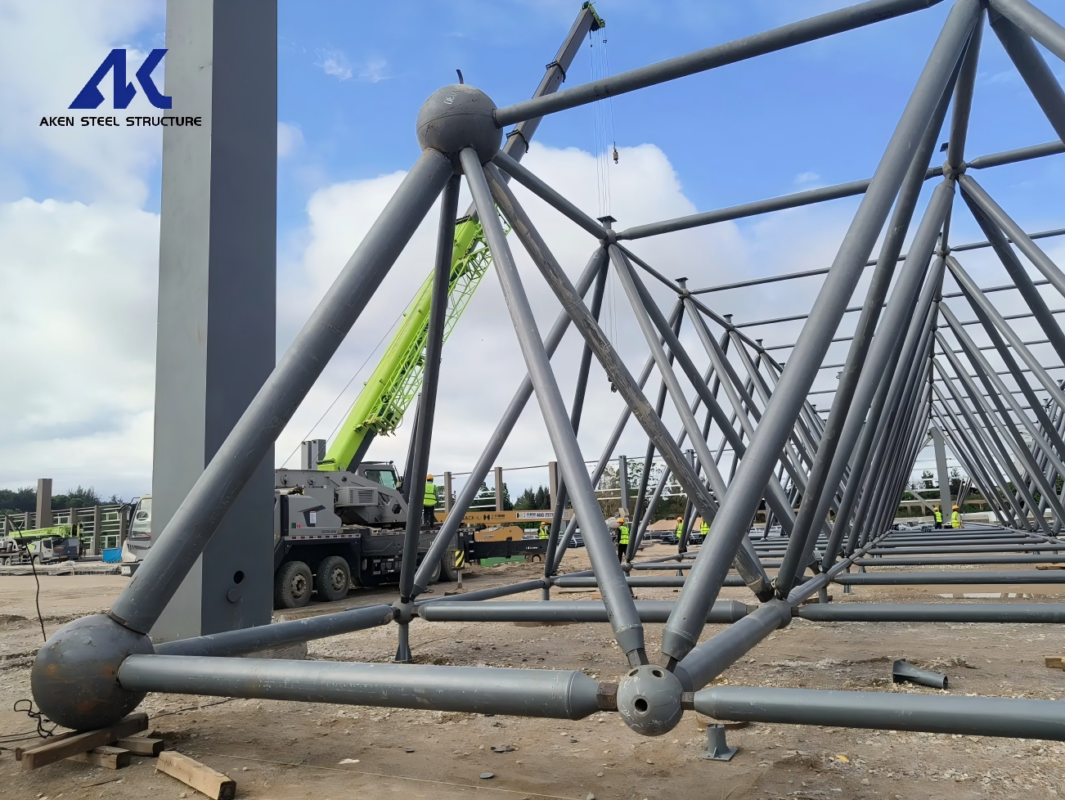
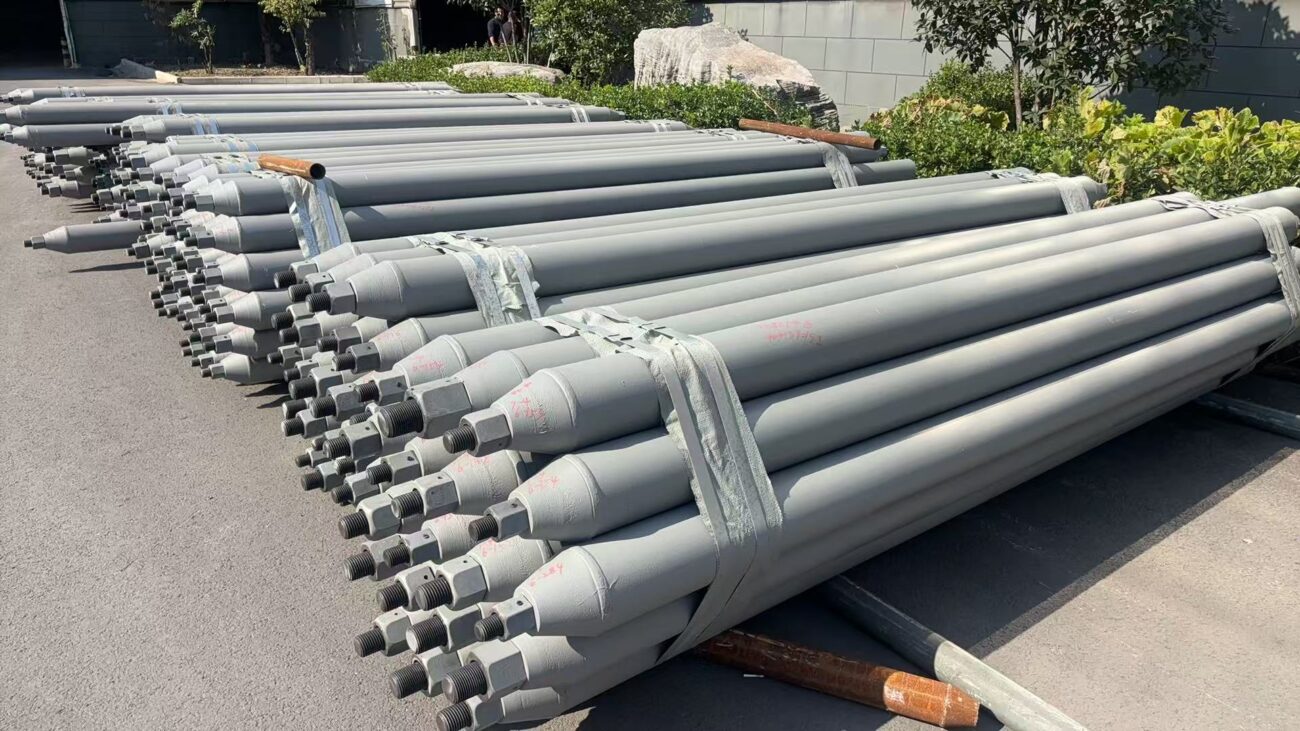
Our automated production workflow links BIM models directly to CNC cutting, drilling, forging, shot blasting and coating stations. The system outputs standardised space frame tubes, توپ های پیچ, مخروط ها, sleeves and high-strength bolt sets in one controlled line. Robotic handling and automatic dimension checks run with every batch. Operators oversee the process, while machines deliver repeatable geometry and uniform surface treatment.
This digital chain removes many variables that trouble traditional steel jobs. Every bolt ball and tubular member carries a unique part mark that matches the 3D model, so teams know exactly where each piece fits on site.
1. Higher Dimensional Precision and Fewer Fitting Problems
Traditional welded steel structures easily accumulate tolerance errors. When workers cut and weld manually, small deviations add up. Those errors force on-site rework, cutting, grinding and remedial welding once erection starts. Rework slows the whole programme and weakens local joints.
Automated space frame production holds tight, repeatable tolerances for tubes and bolt balls. CNC machines cut pipe lengths and end openings to the exact dimensions from the BIM model. Automatic gauges verify ball hole position, thread depth and tube end geometry before packing.
When components arrive on site, they fit together without forced alignment. Fit-up delays drop sharply. For large grids spanning 60m, 80m or wider, this precision makes a huge difference to final roof geometry and waterproofing details.
2. Much Safer Site Work with No On-Site Hot Welding
Safety is one of the clearest gaps between bolt ball space frames and traditional welded steel structures.
Traditional steel erection requires continuous hot work. Welding crews operate at height, near fuel stocks, school buildings, power lines or occupied plant areas. Hot sparks create fire risks. Site welding also depends on certified welders, weather protection and third-party NDT checks after every joint.
Automated space frames shift all critical fabrication and coating work into the factory. On site, crews only use calibrated torque wrenches to fasten bolted nodes. No welding, no flame, no smoke and no high-level hot work.
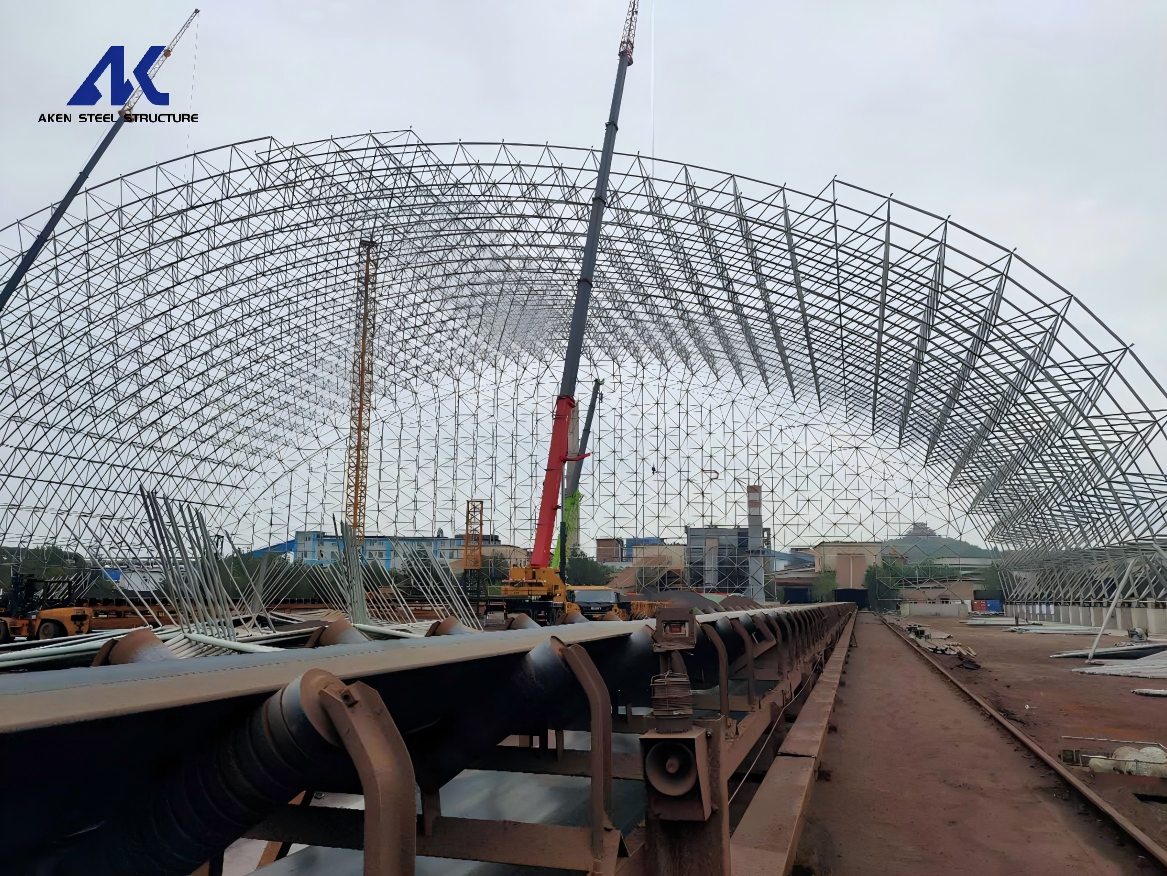
This benefit matters especially for coal storage sheds, fuel stations, cement plant roofs and sports venues next to teaching blocks. You cut fire risk, reduce site noise and satisfy strict local construction safety rules.
3. Faster Erection and Shorter Overall Project Timeline
Traditional steel erection moves slowly. Each welded joint takes time to fit, weld, cool, inspect and touch up. Bad weather often stops outdoor welding work entirely.
Automated prefabrication compresses the site phase. The factory can run in parallel with foundation work. Once foundations are ready, labelled space frame components ship to the site. Experienced crews assemble the grid in modular sections by tightening bolts only.
You do not need to wait for weld cooling or delayed inspection approvals. Many large-span space frame roofs reach full erection in days instead of weeks. Early roof closure also protects follow-up trades such as purlins, roof sheeting, lighting and MEP installation.
4. Stable Quality Control and Traceable Components
Quality control in traditional steelwork is reactive. Inspectors check finished welds after work happens. If defects appear, repair takes time and cost extra money.
The automated space frame process builds quality control into every station. The system records material batch numbers, cutting logs, shot blast grades, coating thickness and torque specifications. Every bolt ball and tube has traceable records.
Engineers can verify material grade, anti-corrosion coating and machining data long after delivery. This traceability helps with project handover, third-party audits, insurance checks and long-term maintenance plans.
5. Lighter Structure, Efficient Transport and Flexible Future Modification
Conventional welded steel trusses often use heavy built-up sections. They weigh more, require heavier cranes and demand stronger foundations. Transporting large welded assemblies also needs special trucks and escort permits.
Space frame members are lightweight, discrete parts. Automated lines pack tubes, bolt balls and small fittings neatly into standard shipping containers. Containerised packing lowers transport damage and reduces logistics cost.
The bolted node system also brings unique long-term flexibility. If the owner later extends the building, adds openings or modifies the roof layout, engineers can add or remove members without destructive cutting. Welded traditional structures are permanent; changes usually mean cutting out and replacing whole sections.
6. Better Whole-Life Corrosion Protection
On-site welded joints in traditional steel often damage shop primer. Touch-up paint applied outdoors rarely matches factory-controlled coating. Moisture, dust and poor surface prep shorten service life at weld lines.
Our automated line completes blast cleaning and full anti-corrosion coating inside controlled factory conditions. The finished bolt balls and tubes receive consistent primer and topcoat before shipment. Because the site uses zero welding, the protective coating stays intact during erection.
For humid coastal sites, chemical plants and dusty coal yards, consistent factory coating directly extends service life and cuts future repainting cycles.
Where Automated Bolt Ball Space Frames Work Best
This system fits most large-span roof projects where owners value schedule, safety and predictable quality:
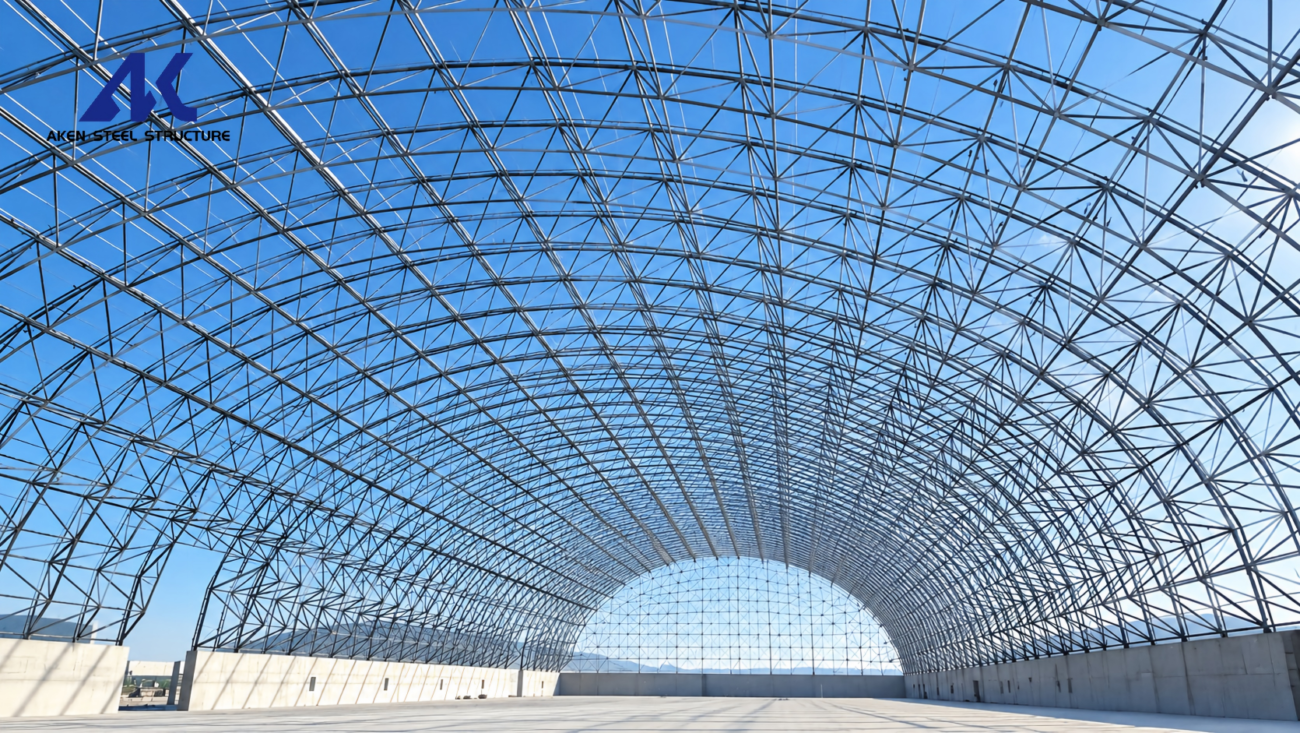
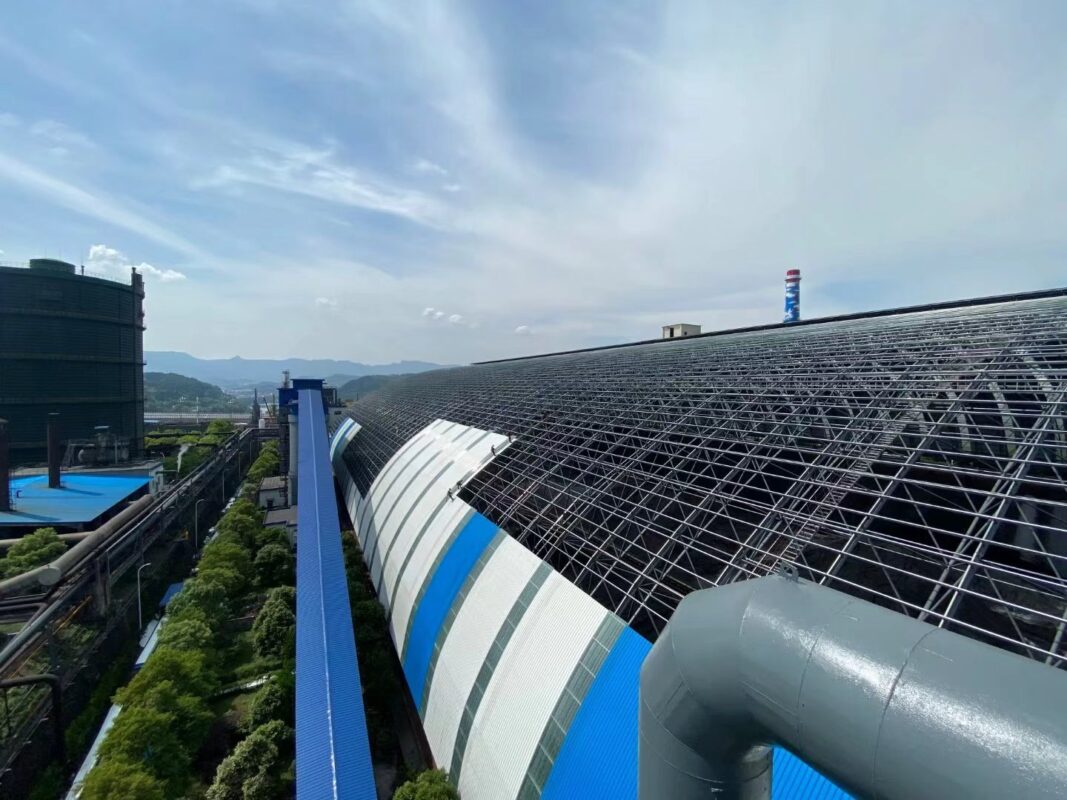
- سوله های ذخیره زغال سنگ خشک و محوطه های مواد فله
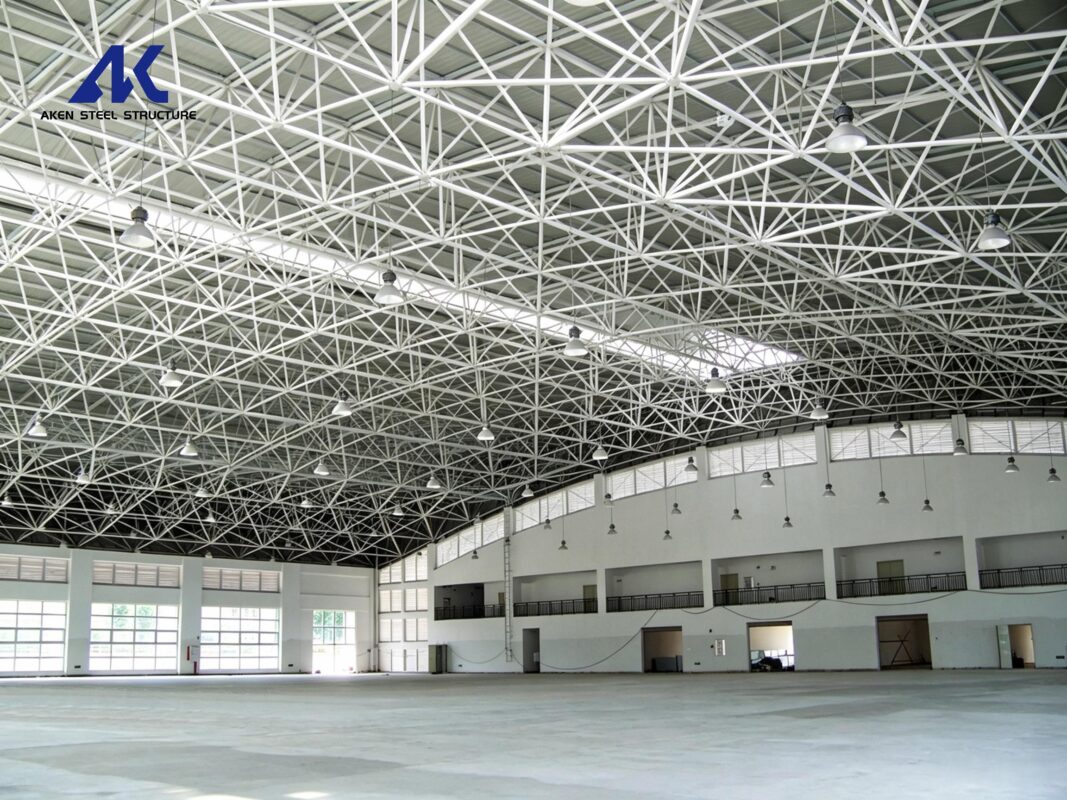
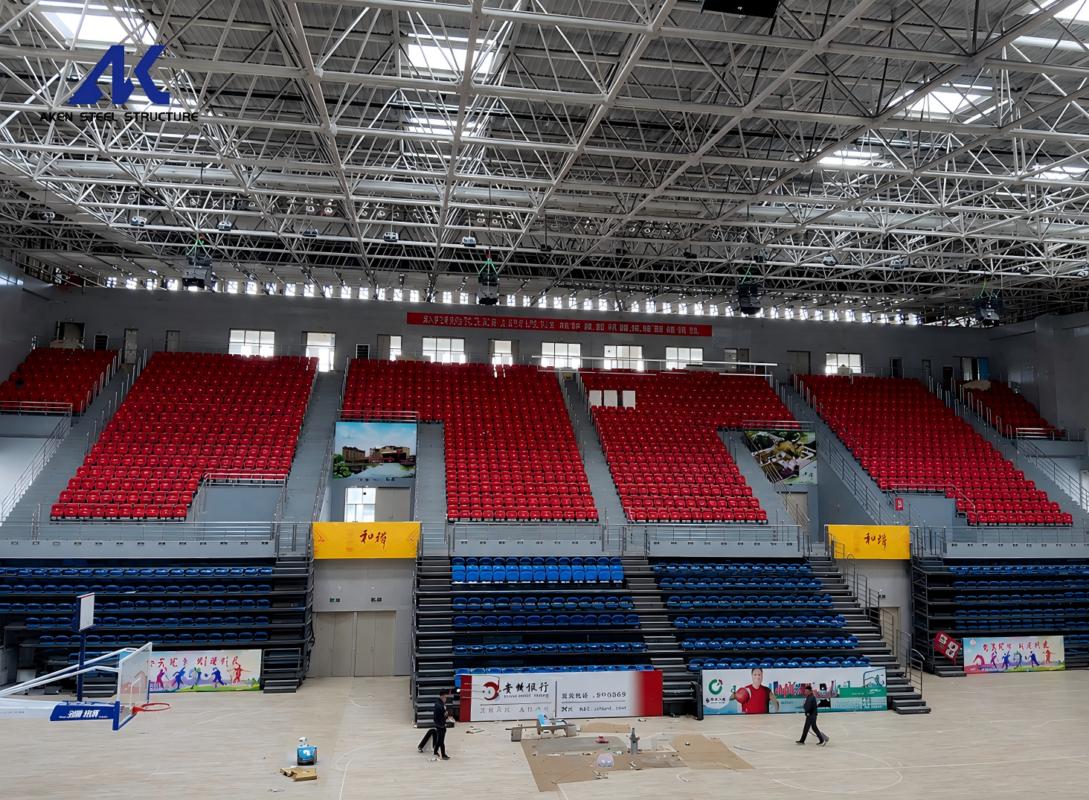
- استادیوم ها, gymnasiums, swimming halls and school sports buildings
- Airport terminals, exhibition halls and shopping atriums
- Warehouse roofs, cement silo tops and industrial workshop canopies
It suits projects that need clear column-free spans, low site disturbance and easy later inspection.
Are There Cases Where Traditional Steel Still Fits?
Traditional welded steel trusses can still work well for small, simple spans or custom heavy load local beams. But once your project needs a wide, regular grid, fast erection, low site fire risk and reliable long-term maintenance, automated bolt ball space frames usually deliver stronger value.
Final Summary
Automated BIM-linked production of bolt balls, tubular members and matching accessories removes many weak points of traditional welded steel construction. It delivers tighter precision, safer bolt-only assembly, faster site erection, full traceability and better corrosion protection. For international contractors, EPC firms and investors building large-span roofs, this manufacturing method reduces uncertainty and improves return on investment over the building life cycle.
سوالات متداول
Q: Can automated space frames meet international steel codes?
A: بله. We design and fabricate bolt ball space frames following major steel structure standards, with full material certificates and inspection records for export projects.
Q: Do I need highly skilled workers to install bolt ball space frames?
A: Crews need training on marked parts and torque control, but they do not need certified site welders. The assembly sequence is repeatable and easier to supervise.
Q: Can space frames be repaired after many years?
A: بله. Inspectors access bolted nodes easily. You can retorque, replace bolts or swap members without heavy cutting or welding work.